

- Overview
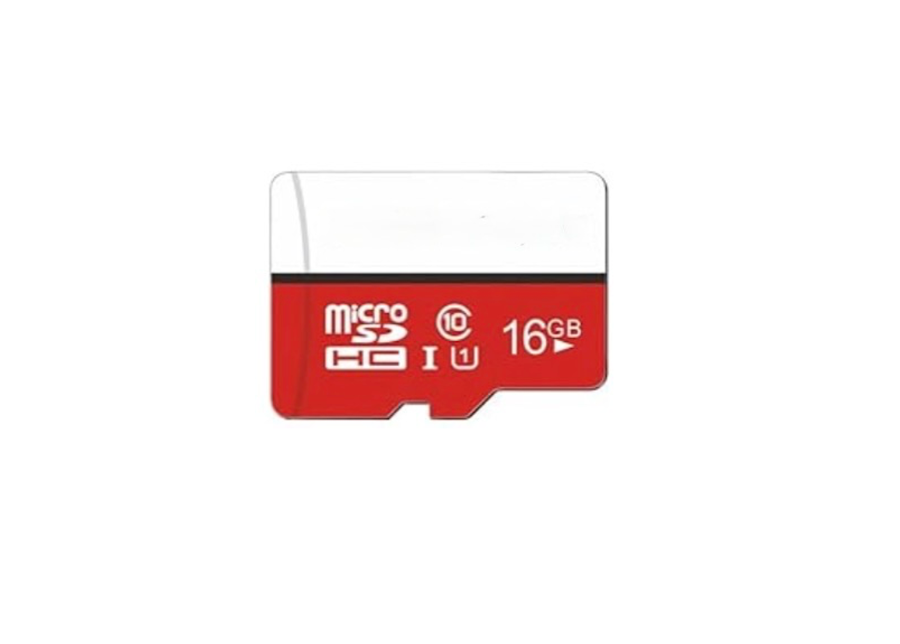
A micro memory card compatible with Zoom recorders (sold separately).
Hydrophone Selection Guide
Choosing the correct underwater microphone is essential for capturing the best audio, whether you are a hobbyist or a researcher. This guide breaks down the different models based on their strengths, target activities, and acoustic properties to help you select the best hydrophone for your specific needs.
Recreational Listening and General Use
The CRT-70P is your go-to model for recreational listening. It offers generally good sound quality combined with high sensitivity, making it an excellent starting point for casual users.
This model features an effective sensitivity of -165 dB and operates linearly up to 51 kHz. It easily integrates with digital audio field recorders using plug-in power, making it a highly accessible tool for recording standard marine vocalizations.
High-Fidelity & Low-Noise Recording
If you are seeking ultra-high fidelity, the CRT-90P is a fantastic choice. It boasts low self-noise to ensure the clearest recordings possible and has a usable frequency range extending up to 86 kHz.
For the absolute quietest of settings, the CRT-90P-ULN steps in as the ultra-low noise variant. It shares the fundamental design of the standard 90P but is engineered specifically to eliminate background interference in highly sensitive acoustic environments. With an exceptionally low noise floor of 39dB at 0.1 kHz, the 90P-ULN model is designed for situations where capturing very faint signals without equipment hiss is paramount to the success of your recording.
Handling Loud Sounds and High Frequencies
When dealing with exceptionally loud underwater sounds, you should refer to the CRT-90N. This passive model does not have an integral preamplifier, which prevents loud acoustic events from overloading and distorting your recording system.
The CRT-260N is quite similar to the 90N because it also lacks a preamplifier for loud sound applications. However, this model is uniquely suited for environments that produce very high frequencies alongside loud noises, offering a linear frequency range up to 260 kHz.
On the other hand, if you need to capture high frequencies but your sound source is not exceptionally loud, the CRT-260P is the proper choice. It is a high-frequency, high-sensitivity model equipped with an internal preamplifier that provides 26dB of standard gain.
Specialized Ultra-High Frequency Research
Finally, the CRT-440N is a highly specialized passive hydrophone reserved almost exclusively for rigorous scientific research. This model operates in the ultra-high frequency range, with a usable frequency reach up to 440 kHz.
Because 440 kHz is well above almost any biological sound produced in the ocean, this hydrophone is usually intended for highly specialized industrial or acoustic research rather than standard wildlife observation.
We Have Expertise In Assisting With Equipment Selection
Which specific body of water and type of marine life are you hoping to record with your hydrophone? Contact us to help you in your selection process.
